The Subscription Model in Personal Care - Why Refills Beat Repurchase
The standard model in personal care is simple: make a product in a plastic bottle, sell it, wait for the customer to finish it, sell them another one. Volume is king. The more packaging you move, the better the business looks on a spreadsheet.
We built PureVibe around a different premise.
When I started thinking about the subscription model, I kept coming back to a question that seemed obvious once I asked it: why does a subscription in personal care have to mean "same product, shipped repeatedly in new packaging"? Why is the packaging included every time? If someone has a glass serum bottle on their bathroom shelf, what they need when they run out is the serum. Not a new bottle.
That's the starting point for how we think about refills.
The packaging problem in personal care
Personal care is the fourth largest contributor to single-use plastic waste globally. Shampoo bottles, conditioner bottles, moisturizer jars, serum tubes — most are not recycled. The recycling infrastructure for many cosmetic formats doesn't exist at scale. Pumps with mixed materials. Flexible tubes. Small containers that fall through sorting equipment. The "please recycle" message on the bottom of a bottle is largely aspirational.
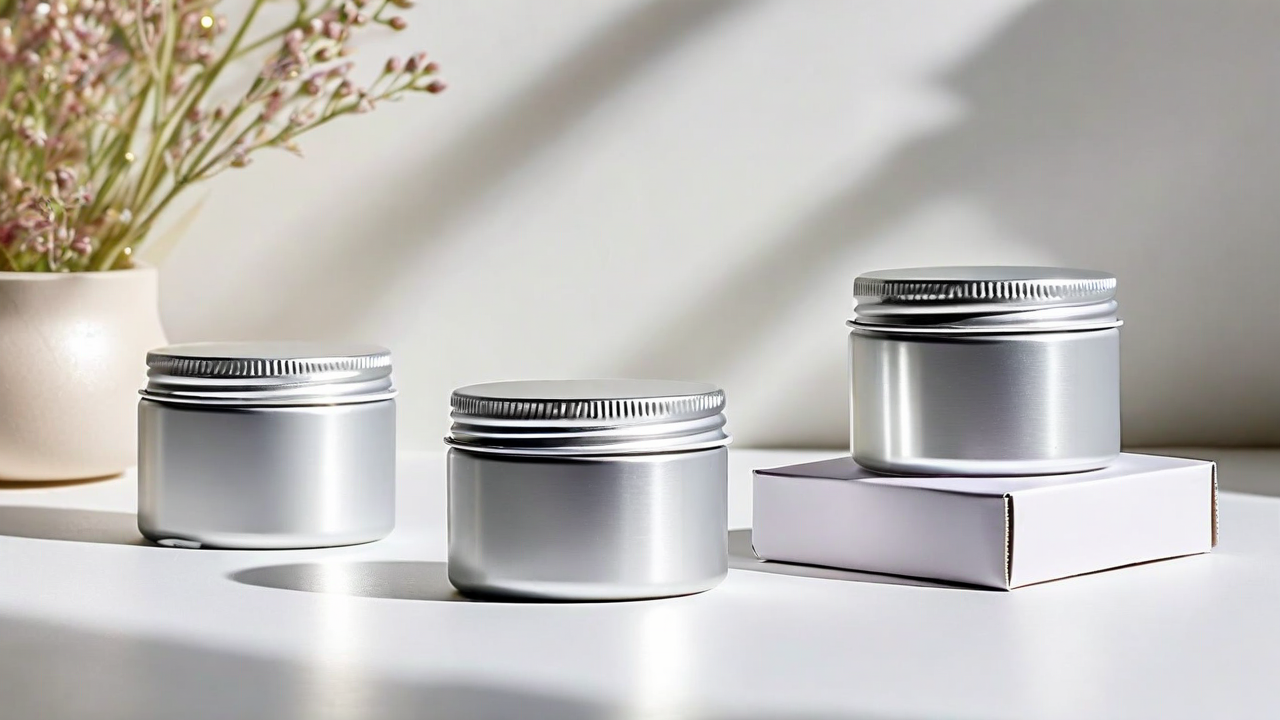
Refill programs address this directly. If the container stays with the customer and only the product changes, you've eliminated the primary packaging from the waste stream entirely. A single aluminum jar, maintained and refilled 12 times, generates roughly 90% less packaging material than 12 individual plastic purchases.
Aluminum also closes the loop in a way plastic doesn't. Recycled aluminum requires approximately 5% of the energy of primary aluminum production. The recycling infrastructure actually exists. And unlike most plastics, aluminum can be recycled indefinitely without quality degradation.
Why repurchase is financially inferior for customers
Here's the economic case for refills that gets undersold: they're cheaper per unit than repurchase, and not just marginally.
When you buy a new jar of moisturizer from any brand, you're paying for the product, the packaging, the labor of filling the new package, and the warehousing and shipping costs associated with a unit that includes all of that. When you buy a refill pouch, you're paying for the product, a minimal packaging format (a compostable foil pouch in our case), and significantly lower fulfillment costs. The ingredient cost is exactly the same. Everything else is cheaper.
We pass that savings on. Our refill pouches are priced 22% lower than the equivalent volume in primary packaging. For customers on monthly subscriptions who refill rather than repurchase, that adds up to real money over a year.
There's also the consistency argument. When you run out of a product you depend on, the refill model means you never have to re-order and wait. Your scheduled delivery arrives before you finish the previous container. You're not rationing your serum in the last week of a billing cycle. You're just using it.
What our subscription model actually looks like
At PureVibe, every subscription tier can include refill pouches instead of full packaging. You keep the glass or aluminum primary container — we ship it in your first order. Every subsequent delivery is the refill format unless you request otherwise.
The refill pouches are sealed, sterile, and include a fill indicator so you know you've transferred the full volume. The process takes about 45 seconds. We've tested it with customers across age groups and mobility situations; everyone can do it without help.
We also offer a container exchange program. If your aluminum jar has a dent or the lid seal is wearing, send it back — we credit you 15% off your next order and recycle the container. The replacement jar ships with your next delivery.
The harder conversation about subscription models
Subscription models in personal care have a reputation problem, and fairly earned. Brands have used subscriptions to trap customers in hard-to-cancel programs, auto-ship products people didn't want, and charge cards without clear communication. The FTC has taken action against multiple brands for exactly this.
We've tried to build the opposite of that. Cancel anytime means cancel anytime — through your account dashboard, with no phone call required. Pause means pause, not cancel and re-subscribe. If you want to skip a month because you traveled and still have product left, you can do it yourself in 10 seconds.
The subscription model works for us because customers who stay are customers who like what they're getting. We're not holding anyone. If the product isn't working for your skin or your routine, we'd rather you leave cleanly and maybe come back when your needs change. Trapping customers in subscriptions they resent generates refund disputes and bad reviews — neither of which helps a brand that depends on trust as its primary asset.
Where we go from here
By the end of 2026 we want 70% of our monthly subscription orders to be refill-based, up from about 52% now. The economics incentivize it. The environmental case is clear. The customer experience, once people try it, tends to stick.
The transition from repurchase to refill is a small behavior change. It's also, multiplied across thousands of customers, a genuinely meaningful reduction in plastic waste. That's a trade worth making.
Start your ritual. Ship less plastic.
Every subscription tier includes our refill program. Pause, skip, or cancel whenever you need to.
See Subscription Plans