How We Source Shea Butter Directly From Women-Led Cooperatives in Ghana
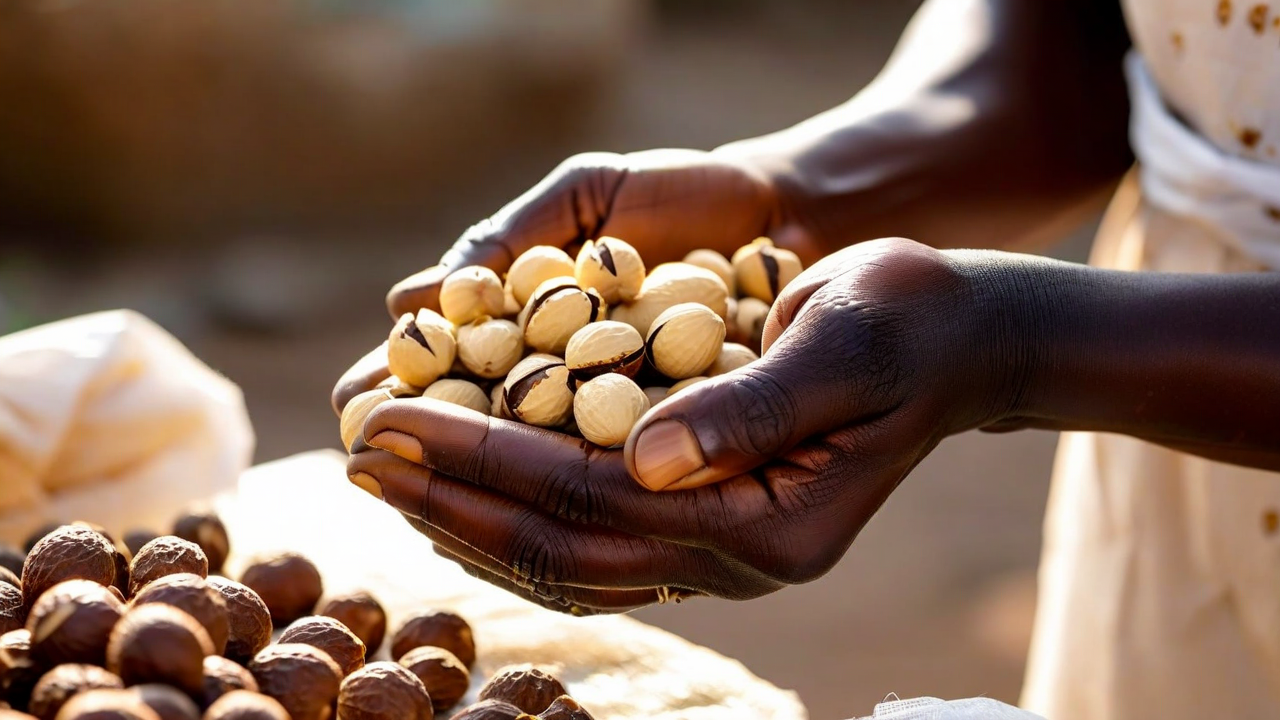
About 18 months before PureVibe launched, I took a trip to Bolgatanga. It's a city in Ghana's Upper East Region, close to the Burkina Faso border, and it sits in the middle of the shea belt — the geographic band across sub-Saharan Africa where Vitellaria paradoxa, the shea tree, grows wild.
I wasn't there for tourism. I went to find the people who make our most important ingredient.
Why shea butter, and why does sourcing matter
Shea butter is in nearly everything we make. It's an exceptional emollient — it contains oleic acid, stearic acid, linoleic acid, and a high concentration of unsaponifiable fractions including triterpene alcohols that have genuine anti-inflammatory and barrier-repair properties. The unsaponifiables in shea butter are what separate it from simpler oils. At 7-12% unsaponifiable content compared to 1% in most vegetable oils, it does things other butters simply don't.
But the quality variation in shea butter is enormous. Commercially refined shea — the kind that shows up in mass-market body lotions at 2% concentration after being deodorized, bleached, and heat-processed — retains very little of the bioactive fraction that makes shea worth using. The triterpene alcohols are heat-labile. The fatty acid profile degrades with refining. You end up with a pleasant skin feel and not much else.
Unrefined, cold-extracted shea — what we use — is a different material. It has a distinct smell (nutty, slightly smoky), an ivory-to-yellow color, and measurably higher unsaponifiable content. It's more expensive, harder to source consistently, and significantly better.
The cooperative model
The shea industry has a structural problem. Most shea producers in West Africa are women — estimates put the figure at over 16 million women across the shea belt who depend on shea production for income. But most of the value in the supply chain historically accrues to intermediaries and processors, not to the women doing the harvesting and initial processing.
The cooperative model tries to change that. Women's shea cooperatives in northern Ghana aggregate production, eliminate the intermediary layers, handle quality control collectively, and sell directly to buyers. Members earn more per kilogram because they're not losing margin to traders who buy cheap and sell high.
The cooperative we work with in Bolgatanga has 340 members. It was founded in 2011. They do their own cracking, roasting, grinding, and extraction using traditional methods. They have a storage facility built with NGO funding that keeps product at consistent temperature to prevent rancidity. They've achieved international certifications including Fair Trade and ECOCERT organic.
What the direct relationship looks like
We buy approximately 400 kilograms of unrefined shea butter from this cooperative per year. That's a small order by global standards, but meaningful for a 340-member cooperative. We pay above the Fair Trade floor price — the exact figure is in our sourcing documentation on our website — and we pay on delivery, not on net-60 terms.
Net-60 might be normal for US business-to-business transactions. For a cooperative in northern Ghana, waiting 60 days for payment after shipment creates real cash flow problems. We pay within five business days of confirmed receipt.
I visited in person before we signed the supply agreement. I wanted to see the extraction process, taste the final product (yes, unrefined shea butter is edible), and meet the cooperative leadership. I also wanted to make sure the certification claims matched reality. They did. The women there know their product — they've been refining the process for generations.
What you're getting in the product
When you use our Intensive Body Butter or our Restore Hand Cream, the shea content in both is 15% by weight — a meaningful functional concentration, not a fairy-dusted trace. It's unrefined Grade A, cold-extracted, and it's the same material I evaluated in Ghana. The batch numbers on each product correspond to the cooperative's harvest records, which we maintain on file.
The traceability doesn't make the product work better. The unrefined butter does that on its own. But it does mean something about who we are and who we want to support. We're not using shea because it's a trendy ingredient with a good story. We're using it because it's genuinely one of the best skin care ingredients available, and we've built a supply chain to get the highest quality version of it to people who want their skin care to be worth the money they're spending.
The harder question
Is one cooperative relationship enough? No. The shea industry is large, the supply chain problems are systemic, and 400 kilograms is a tiny fraction of global production. I'm not claiming we've solved anything.
What I can say is that we've done it right for the volume we buy. We've paid fairly, sourced carefully, maintained a direct relationship, and made the traceability visible. As we grow, we'll expand the relationship. The cooperative knows that's the plan.
And we publish all of it — supplier name, region, certification status, pricing terms — because supply chain claims without documentation are just marketing. Our sourcing documentation is on our website. If something there looks wrong, email us. We want the scrutiny.
Products that care where ingredients come from.
Every PureVibe formulation includes sourcing notes for key ingredients. See what goes in and where it comes from.
Shop Body Care