Our Packaging Journey From Plastic to Post-Consumer Recycled Aluminum
When PureVibe launched, our packaging was plastic. Not the worst plastic — we used HDPE and PET, both of which have functional recycling infrastructure — but plastic. I want to be upfront about that, because brands that act like they were born sustainable are usually being selective about their timeline.
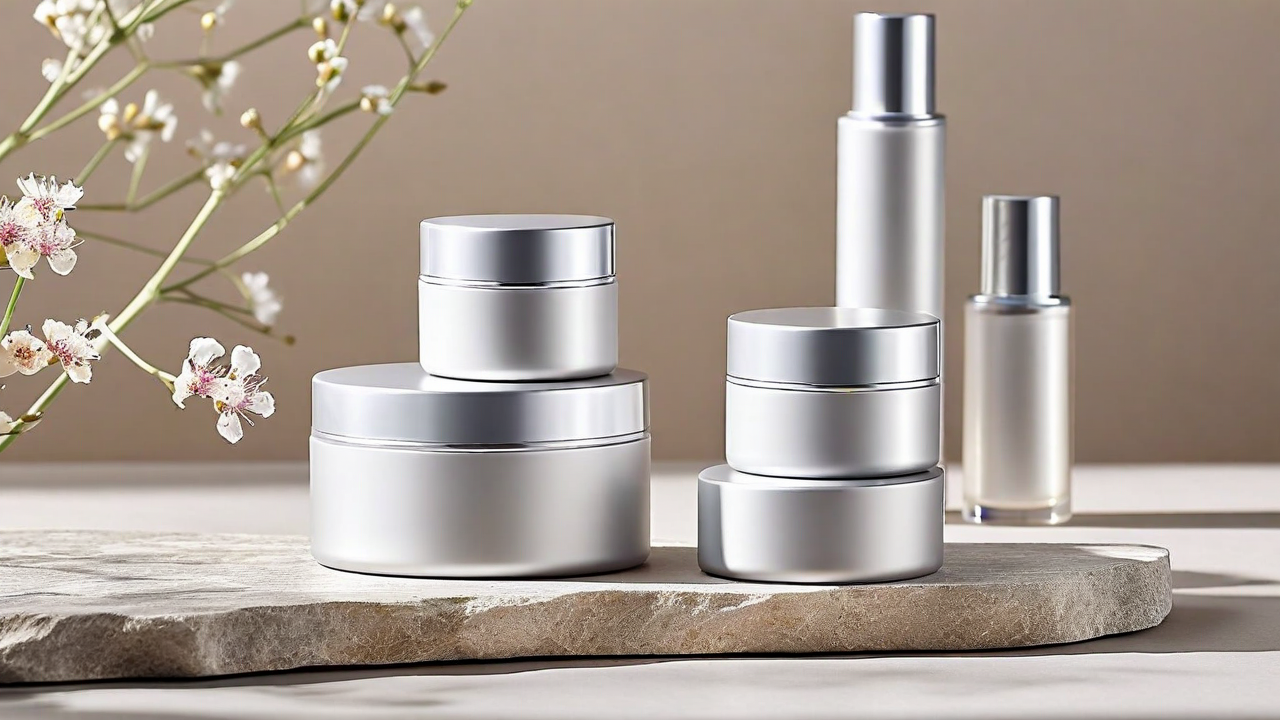
We spent almost two years getting to where we are now: primary packaging that is post-consumer recycled (PCR) aluminum for all hard-sided containers, glass for our serums and eye products, and compostable sugarcane-based secondary packaging. The journey was messier and more expensive than the finished result makes it look.
Why aluminum specifically
We evaluated a lot of materials. Glass is excellent but heavy — the shipping carbon footprint is significantly higher than aluminum per unit, and breakage rates introduce waste and customer service complexity. Paper-based containers struggle with moisture, especially in humid bathrooms. Bioplastics are promising but have end-of-life problems: most bioplastics require industrial composting conditions to break down, and consumer access to those facilities is limited. Bamboo composites are an emerging option but aren't yet consistent enough in quality for cosmetic manufacturing tolerances.
Aluminum wins on several specific factors. It's infinitely recyclable without quality degradation — the same atoms can keep cycling through the supply chain indefinitely. Recycled aluminum production requires roughly 5% of the energy of primary aluminum. The consumer recycling infrastructure for aluminum is better than for any other packaging material in the US; curbside programs accept it universally. And aluminum is genuinely compatible with refill systems — it holds up to cleaning and reuse far better than plastic or glass.
Our jars and bottles are made from 75-85% PCR aluminum. The remaining percentage is necessary for manufacturing tolerances — fully PCR aluminum has slightly less structural consistency, which creates seam and closure reliability issues at scale. We're in conversations with our supplier about increasing that percentage as manufacturing standards improve.
What the transition actually cost
Honest number: our primary packaging cost per unit increased by approximately 34% when we moved from HDPE to PCR aluminum.
We absorbed roughly 18 percentage points of that in margin compression. We passed roughly 16 percentage points to customers in a modest price increase implemented in early 2024. We communicated that directly — an email to all existing subscribers explaining what changed, why, and by how much. The cancellation rate during that window was 3.2%, which is below our typical monthly churn.
Customers who care about sustainability, it turns out, will pay for it. Customers who don't were already not the core of our audience. The segment math worked out. I'm not going to pretend it was comfortable in the short term, but it was the right decision.
The inner liner problem
Here's a packaging challenge we haven't fully solved: formulations with high water activity or low pH require an inner liner in aluminum containers to prevent corrosion. The liner is typically an epoxy or polyester coating — essentially plastic. We've been working with our packaging supplier on food-grade lacquer alternatives that have better recyclability profiles, but nothing is in production yet.
For now: our dry formats (balms, solid bars) are fully aluminum. Our water-based formats in aluminum containers have a thin epoxy liner. We're transparent about this on our packaging specification page. It's not a perfect situation. We're working on it.
Secondary packaging
The box that ships your order is made from 100% post-consumer recycled kraft paper. The tissue inside is FSC-certified. The fill material is shredded FSC-paper, not plastic peanuts or bubble wrap. The adhesive on the box seal is water-based, not solvent-based.
We eliminated the branded carton boxes around individual products entirely. Luxury personal care brands often sell you a beautiful secondary box that goes directly from unboxing to recycling. We decided the experience wasn't worth the material. The aluminum container is the experience. The box inside a box is theater.
Where we are and what's next
Current status: 100% plastic-free in primary packaging for hard-sided products. Glass serums. Compostable refill pouches. PCR kraft secondary. The inner liner issue remains. Shipping packs are the next frontier — carton choices, cold chain inserts for temperature-sensitive products, the ice pack materials for summer shipping.
Packaging sustainability in personal care is not a solved problem. Any brand that tells you they've completely figured it out is either very small, very specific in their product range, or not being fully honest. The supply chains are complicated. The material science is still developing. The consumer infrastructure varies enormously by region.
What we can do is document where we are, explain the gaps, and keep pushing on the ones we haven't solved yet. That's the standard we're trying to hold ourselves to. It's not perfection. It's honest progress.
Products that respect what they're packaged in.
Every PureVibe product ships in PCR aluminum or glass. Our refill program makes it even better.
Start a Subscription