Fragrance-Free Is Not Always Better - A Nuanced Take
There's a version of the clean beauty conversation where fragrance is cast as the straightforward villain. Synthetic fragrance bad. Fragrance-free good. And to some extent, for some people, that's right. But the actual picture is messier, and I think it's worth sitting with the complexity rather than reaching for a clean narrative.
Let me start with what's true: synthetic fragrance — the kind hiding behind a single "fragrance" or "parfum" listing on a label — is a real problem. Not because scent is inherently dangerous, but because that single word can legally conceal hundreds of undisclosed compounds, including proven allergens, hormone-disrupting phthalates, and skin sensitizers. We don't use synthetic fragrance. That's a firm position, and it's not changing.
But fragrance-free is not automatically the safer or better choice for everyone. Here's why.
Essential oils are not inert
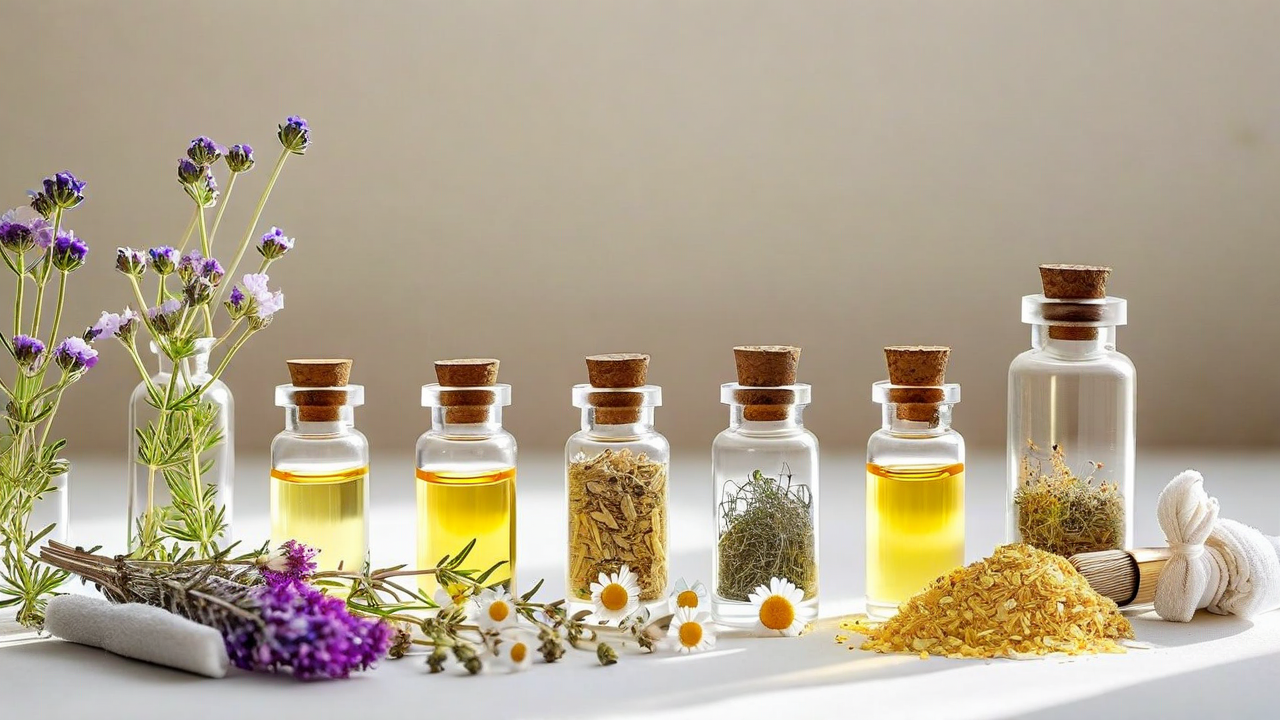
Many brands that market as fragrance-free still use essential oils for scent — lavender, peppermint, citrus, rose. These smell beautiful and they're natural. They are also not without risk.
Lavender essential oil contains linalool and linalyl acetate. Both are recognized contact allergens by IFRA standards. Bergamot is phototoxic — it can cause hyperpigmentation and burns when applied to skin exposed to sunlight, which is why cosmetic use requires bergapten-free bergamot or very low concentrations. Tea tree oil at concentrations above about 1% shows androgen-disrupting activity in some studies. Citronellol, geraniol, eugenol — all naturally occurring aromatic compounds — are among the most common contact allergens in cosmetics.
"Natural" and "safe" are not the same thing. Essential oils at high concentrations, applied to sensitive or compromised skin, can cause contact dermatitis, sensitization, and worse. The fact that they're plant-derived doesn't change their chemistry.
Scent has real functional value
This might sound like rationalization, but it's not: scent compliance affects product use. People who like the smell of their skincare products use them more consistently. Consistency is where results come from. A moisturizer you use every morning for six months does more for your skin than the theoretically ideal but unpleasant-smelling alternative you use twice a week.
There's also emerging research connecting specific scent experiences to stress reduction, cortisol regulation, and sleep quality — all of which have downstream effects on skin. Lavender, for example, has genuine evidence behind its calming properties when used aromatherapeutically. Whether those effects translate meaningfully in a topical application is contested, but the stress-skin connection is real. Chronic stress elevates cortisol, disrupts the skin barrier, and worsens inflammatory conditions like eczema, psoriasis, and acne.
I'm not saying we add lavender to our moisturizer for stress reduction. I'm saying that scent is not a purely decorative addendum to a formula — it has behavioral and potentially biological implications worth taking seriously.
What we actually do
PureVibe does not use synthetic fragrance anywhere. When we use scent, we use specific, disclosed essential oils at specific, disclosed concentrations that fall within IFRA safety standards for their application type.
Our Calming Body Lotion contains lavender essential oil at 0.08% and Roman chamomile flower oil at 0.05%. Both are below the sensitization threshold established for leave-on body products. Both are listed by their full INCI names. We're not hiding them behind "fragrance" or "natural fragrance" — both of which are label terms that allow undisclosed compounds.
Our facial products are unscented. No synthetic fragrance, no essential oils. The face is more sensitization-prone than the body, and the skin around the eyes especially. We took the conservative position for the face and the more considered position for body care.
Several of our body products are also available fragrance-free on request. If you have a fragrance allergy, MCAS, or simply prefer no scent, we accommodate that. We batch-produce fragrance-free versions quarterly.
Who should actually go fragrance-free
If you have atopic dermatitis, rosacea, perioral dermatitis, or a history of contact allergies — yes, fragrance-free everything is worth trying. These conditions involve a compromised or hyperreactive skin barrier, and fragrance compounds — natural or synthetic — are a common trigger. Patch testing matters too; if you've never had a reaction, you may not be sensitized. But if you have active inflammation, why add a potential irritant?
Children's products should be fragrance-free. Kids' skin is thinner, more permeable, and they have higher skin-surface-to-body-weight ratios, meaning topical absorption is proportionally greater than in adults.
Facial products around the eyes and lip area — fragrance-free is safer. These are your most permeable and reactive zones.
For healthy skin, on body applications, with disclosed botanical fragrance at appropriate concentrations? The fragrance-free rule becomes a preference, not a safety requirement. Know your skin, know the ingredient, know the concentration. That's the real standard.
Know exactly what's in your products.
PureVibe discloses all fragrance components by name and concentration. No hidden compounds, no proprietary blends.
Explore Our Ingredients